Inter Miami entered the 2026 Leagues Cup chasing another trophy. Three matches later — one victory, two defeats — they were eliminated far earlier than a club with their ambitions would ever have expected. But reducing this tournament to those numbers would miss almost everything that actually happened. Somewhere between a brilliant opening night, devastating personal news, opportunities handed to the next generation, and an emotional return from Lionel Messi, the Inter Miami Leagues Cup 2026 campaign stopped feeling like an ordinary cup run. It became something deeply human.
A Beginning That Promised Much More
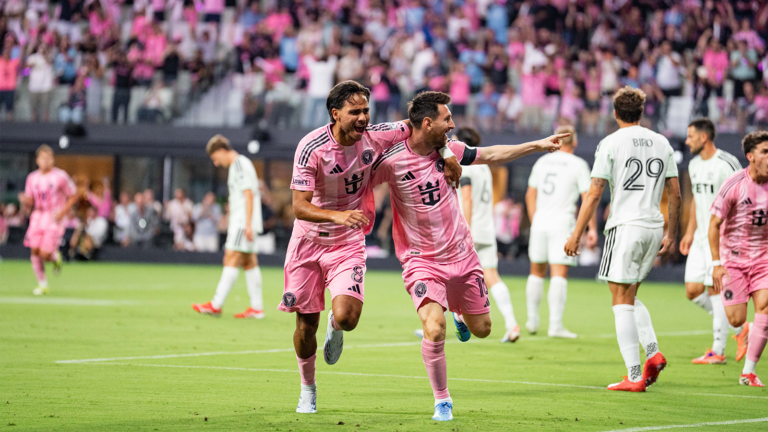
It is almost difficult to remember now how differently this tournament started. Inter Miami opened their campaign with a commanding 4-2 victory over Atlético de San Luis — overcoming an early deficit and looking every bit like a team capable of another deep Leagues Cup run.
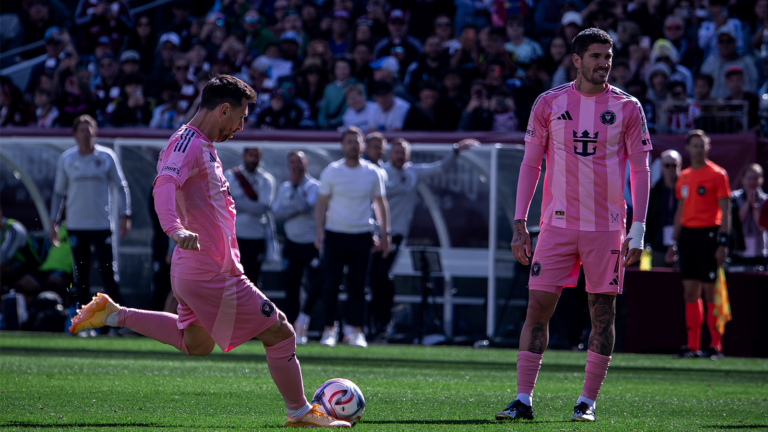
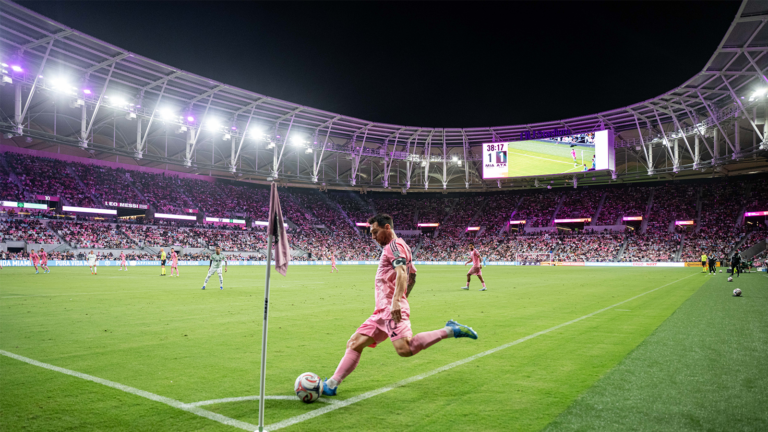
Messi was Messi. Two goals. An assist. Another night where the extraordinary somehow felt routine. Around him, though, Miami was already beginning to reveal another part of its story. Nineteen-year-old academy product Daniel Pinter started alongside Messi from the first whistle. Noah Allen contributed three assists in the opening half. Miami’s younger generation was not watching from the sideline. They were helping the stars win.
It felt like the beginning of something significant. Days later, football suddenly felt insignificant.
When the No. 10 Shirt Meant Something Different
The passing of Jorge Messi at 68 years old changed the atmosphere surrounding Inter Miami overnight. Jorge was far more than the father of the greatest player of his generation. He had stood beside Lionel throughout virtually the entire journey — from Rosario to Barcelona and eventually to Miami — serving as a guiding presence and longtime representative of his son’s career.
Messi left the squad and returned to Argentina to be with his family. Inter Miami prepared to face Monterrey without their captain.
Before kickoff at Nu Stadium, there was a moment of silence. Then came one of the images that will remain long after anyone remembers the standings from this tournament.
Rodrigo De Paul scored. Rather than celebrating himself, he lifted Messi’s No. 10 shirt toward the crowd. For a few seconds, that jersey was not about the superstar who normally wore it. It was about a friend who was not there.
Miami eventually lost 2-1, conceding in the 90th minute and leaving their Leagues Cup future hanging by a thread. The enduring image of that night, however, was not the scoreboard. It was De Paul holding up his friend’s shirt in the rain at Nu Stadium. Leadership rarely looks more honest than that.
Inter Miami Leagues Cup 2026 — Opportunity Born From Adversity
Messi’s absence was not Miami’s only problem. Luis Suárez served a suspension. Germán Berterame carried an injury. Mateo Silvetti had gone down during the opening match. Suddenly a roster built around established stars had to look considerably deeper.
The youth answered.
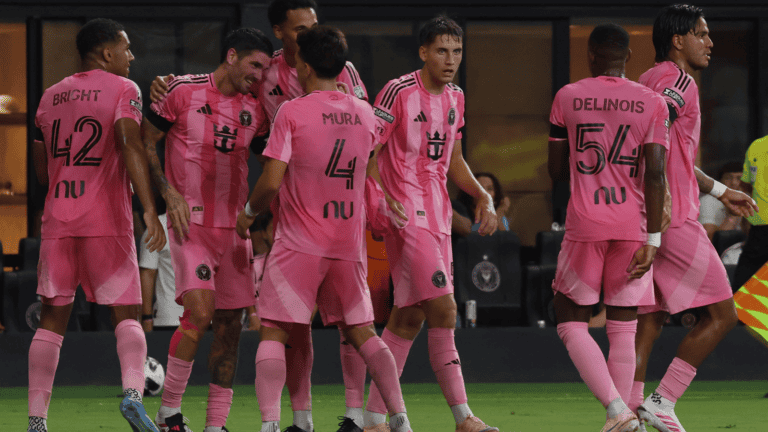
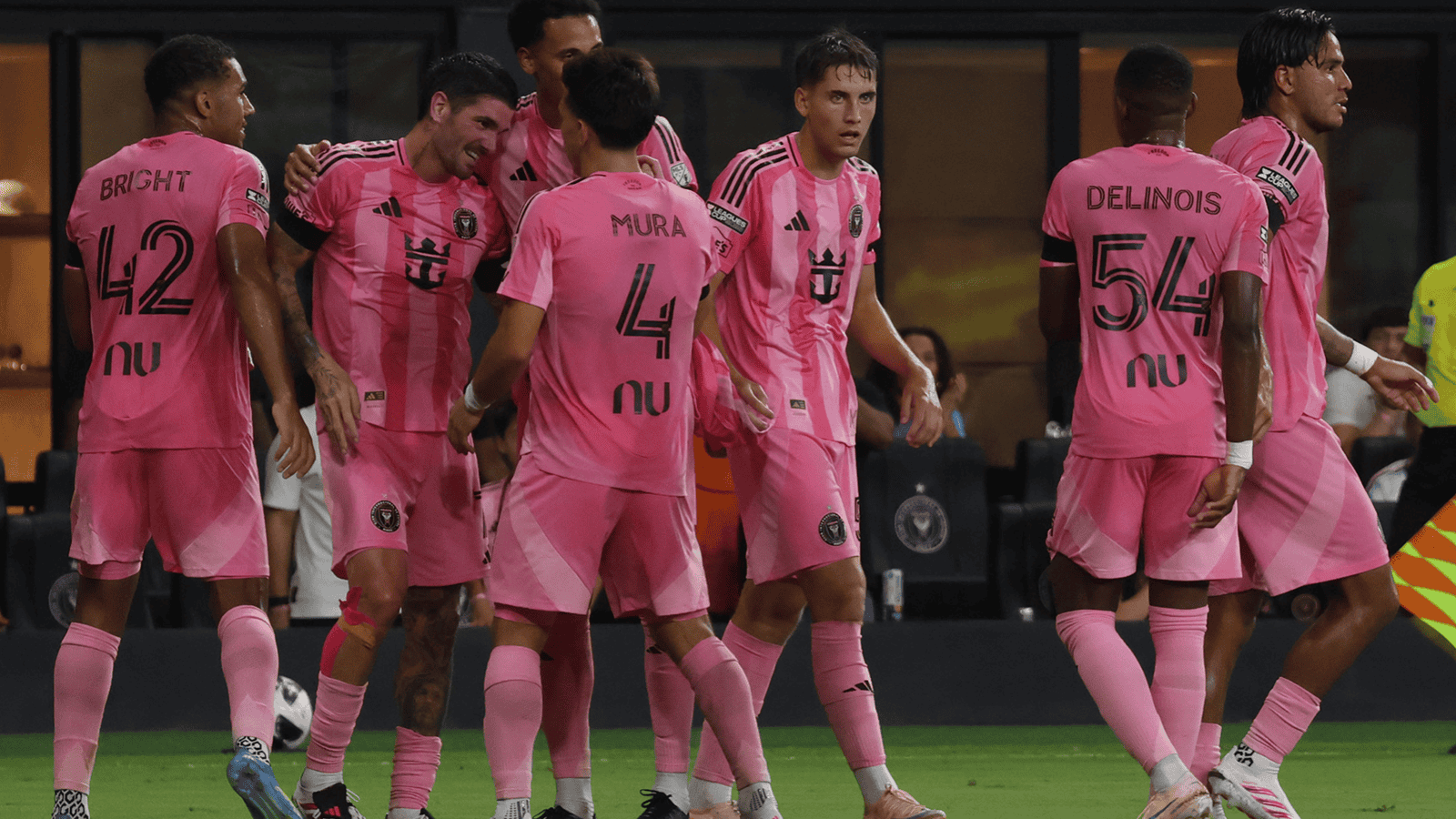
Pinter started again against Monterrey. Alongside him stood 21-year-old Lovend’s Delinois — promoted from Inter Miami II and making his first-team debut on one of the biggest stages of his young career. Neither player could replace Messi. Nobody can. But that was never really the point. The tournament offered Miami a genuine glimpse of what exists beneath the names printed across billboards around the world.
Pinter, in particular, seized his opportunity. After earning the trust to start throughout the tournament, he received his reward against León. In the 42nd minute, Ian Fray delivered from the right and Pinter finished first-time with his left foot. His first senior goal for Inter Miami’s first team.
On a night ultimately remembered for elimination, one of Miami’s youngest players experienced a moment he will carry for the rest of his career.
Yannick Bright also found the net against León. Another reminder that Miami’s identity cannot permanently depend on what its biggest names produce. For a club constantly balancing the desire to win now with the need to build something sustainable, those contributions mattered beyond the result.
The Return
Then came Messi.
Only days after losing his father and returning to Argentina, Miami’s captain was back at Nu Stadium. He did not start against León. When the second half began, however, No. 10 emerged from the tunnel. The stadium rose immediately.
There are always expectations attached whenever Messi steps onto a football field. A goal. An assist. A piece of magic capable of changing the entire course of a match. This time felt genuinely different. For once, perhaps nothing needed to be expected of him. He was simply there.
Messi had written publicly about the enormous void his father’s passing had left. He even expressed uncertainty about how long he could continue playing without the man who had accompanied virtually every chapter of his career. Yet days later, he put the shirt back on.
Football can be an escape from grief. Sometimes it serves as a reminder of the person who is no longer there to watch. Only Messi knows what those 45 minutes truly meant to him. The rest of us could only watch and appreciate the courage it took to show up.
An Ending That Came Too Soon
Miami fought hard against León. It was not enough. León found the decisive goal in the 83rd minute and won 3-2. Just like that, the tournament was over.
The 2023 Leagues Cup champions and 2025 finalists were eliminated during Phase One for the first time. For a club built to compete for trophies, there is no disguising the disappointment. One win from three matches does not reflect the ambitions of this organization.
Miami conceded late against Monterrey when a result was within reach. Against León, another decisive moment slipped away at the wrong time. A tournament that began with four goals and genuine trophy aspirations ended one week later with questions to answer and performances to examine.
Those questions are fair. They deserve honest answers.
But perhaps this particular tournament also deserves to be remembered differently.
What Miami Takes With It
Inter Miami did not leave the Leagues Cup with a trophy. They left with something less tangible but no less real.
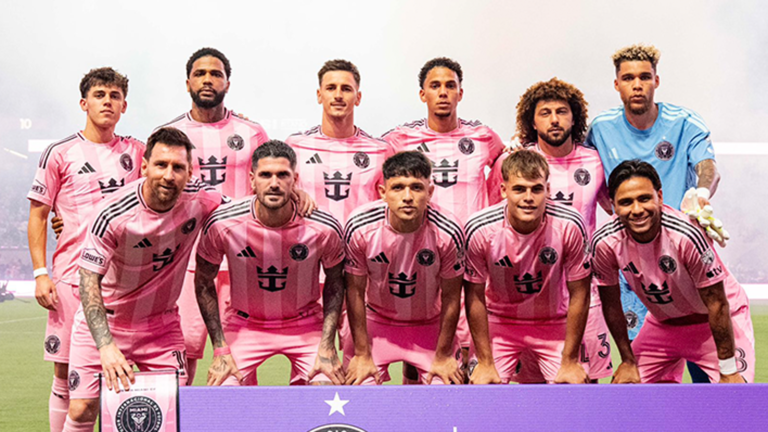
Daniel Pinter went from promising academy product to a player trusted to start three consecutive tournament matches and score his first senior goal. Lovend’s Delinois stepped onto the first-team stage for the first time. Bright delivered when his team needed something. De Paul demonstrated that leadership can mean considerably more than controlling a midfield.
And Messi came back.
The standings will record Inter Miami’s 2026 Leagues Cup campaign simply — eliminated in Phase One. Anyone who watched it, however, knows the story was never that straightforward.
It began with Messi scoring. It continued without him. It created space for Miami’s future to breathe. It ended with No. 10 walking back onto the field carrying something much heavier than the expectations of a football club. Some tournaments are remembered for the trophies they produce. This one may be remembered for the people it revealed — and the moments that reminded everyone watching why football, at its best, is always about far more than the result.