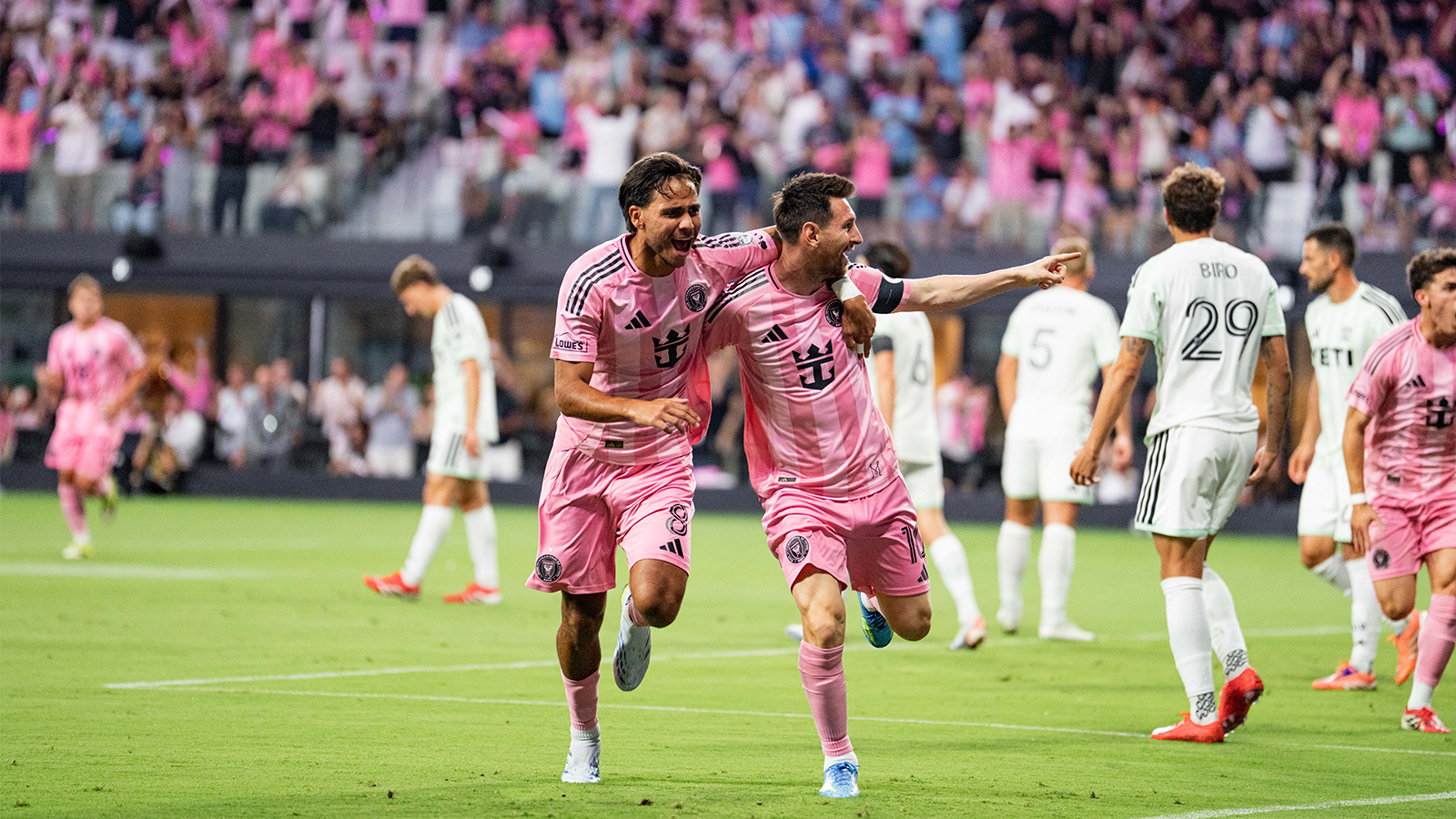
Photo via Inter Miami CF
Inter Miami’s scoring problems have become the defining storyline of their 2026 MLS campaign. The Herons sit fourth in the Eastern Conference with 11 points from six games — a respectable return on paper. Dig deeper, though, and a troubling picture emerges. Miami have scored 11 goals but conceded 10. Their goal difference stands at just one. Only one clean sheet in six games. For a club that scored 101 combined goals across all competitions last season, this is not just a concern — it is a crisis that demands urgent answers.
The Numbers Tell a Damning Story
Start with the raw data and it becomes clear just how significant this drop-off has been. Last season, Inter Miami scored 81 goals in 34 MLS regular season games — an average of 2.38 per game. In 2026, they have managed 11 goals in six MLS games — an average of 1.83 per game. That drop looks manageable on the surface. Factor in the defensive numbers, however, and the picture darkens considerably.
Miami conceded 55 goals in the 2025 regular season — 12th worst in the league. Yet their extraordinary attacking output papered over every defensive crack. Messi, Alba, Busquets, and a settled system provided enough goals to win games that defensively they had no right to win. That safety net no longer exists at the same level. The goals have dried up. The defensive issues remain. Suddenly, every lapse at the back carries far more consequence.
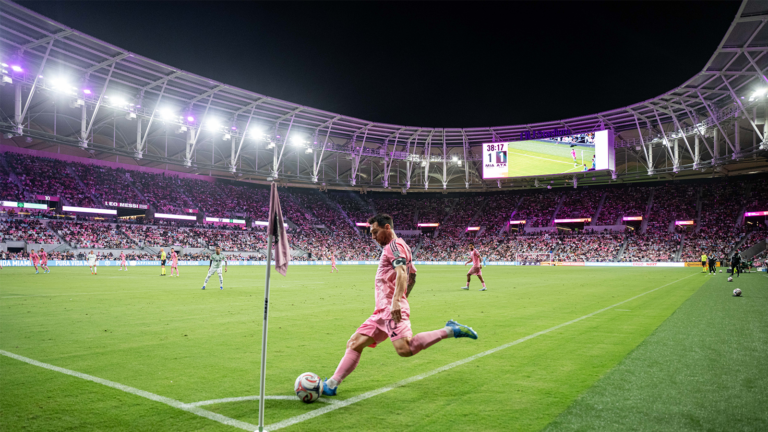
The Nu Stadium opener against Austin FC illustrated the problem perfectly. Miami registered 28 shots and posted an xG of 2.94 — chances that should comfortably yield three or four goals. They scored twice. A team clinical in front of goal wins that game comfortably. Instead, two dropped points on the biggest night in the club’s recent history.
Inter Miami Scoring Problems Begin With One Glaring Absence
To understand why Miami’s attack has stalled, you have to start with what is missing rather than what is present. Jordi Alba and Sergio Busquets both departed after the 2025 MLS Cup triumph. Their absence has left a creative void that no signing has yet come close to filling.
Alba’s numbers from last season were extraordinary. The Spanish left-back had a direct contribution — assists, key passes, or runs that created space — in more than 58% of every goal Inter Miami scored. That figure is not a coincidence. Alba was the engine behind Miami’s attacking machine. He found Messi in tight spaces, overlapped at precisely the right moment, and gave the team’s buildup play a rhythm and tempo that felt almost automatic.
Busquets provided the other half of that equation. His ability to circulate the ball quickly through congested midfields — and his deep understanding of when and where Messi wanted the pass — created the platform from which Miami launched almost every attack. Together, Alba and Busquets were not just good players. They were the connective tissue that made everyone else around them better.
Sergio Reguilón arrived this season as Alba’s direct replacement and showed immediate promise. His run and cross that led to Messi’s historic 900th career goal against Nashville — as covered in our [CONCACAF elimination report] — hinted at exactly the kind of left-back contribution Miami had been missing. Then injury struck again. Reguilón is currently sidelined with a hamstring problem. His absence leaves a hole that Miami are yet to adequately fill.
The Designated Player Who Must Deliver
The most pressing individual concern centers on Germán Berterame. Inter Miami signed the Mexican striker for $15 million — a significant DP investment specifically targeted at CONCACAF success and MLS title defence. Six games into the season, he has one assist and zero goals from 332 minutes of action. That averages out to just 55 minutes per game — not enough to build rhythm, but enough to raise serious questions about whether he is the right fit for this system.
Berterame is not a bad footballer. His movement is intelligent, his work rate is genuine, and there have been moments — particularly during brief patches of games — where his connection with Messi has looked promising. However, promising moments do not justify a $15 million investment. Goals do. Assists do. Consistent performances in decisive moments do.
Mascherano addressed Berterame’s situation carefully after the NYCFC win, saying: “He is a guy who works hard and made the most of the minutes he had.” That is a coach protecting a player publicly. Privately, the pressure on Berterame to deliver must be significant. The Nu Stadium opener — where Mascherano benched him entirely in favor of a Messi false-nine setup — suggested the coach himself is searching for the right formula.
Allende, Suárez and the Supporting Cast
Tadeo Allende presents a different kind of puzzle. Last season’s playoff revelation — nine goals in the postseason, a single-campaign MLS record — has yet to register a single goal or assist in six MLS games this season. He has averaged just 48 minutes per game across 293 total minutes. That limited game time makes judgment difficult. Still, the creative spark that made him so dangerous last autumn has been largely absent.
Allende was also absent from training ahead of the upcoming New York Red Bulls fixture. No official update accompanied that absence at the time of publishing. Miami fans will hope it is precautionary rather than serious.
Luis Suárez tells yet another story. The veteran Uruguayan has spent most of 2026 on the bench. One goal from just 116 minutes of action demonstrates that his instinct and finishing touch remain remarkably sharp for a player at this stage of his career. His equalizer at Nu Stadium against Austin — arriving from the bench in the 81st minute and finishing with the composure of a man half his age — was a timely reminder of exactly what he still brings to this squad. Suárez may not be a 90-minute player anymore. Used smartly and in the right moments, though, he remains a genuine weapon for Mascherano to deploy.
Two Bright Spots Worth Watching
Not everything about Miami’s attacking picture looks bleak. Two players have caught the eye with genuine promise this season — and both deserve recognition within the broader conversation.
Telasco Segovia has contributed one goal and three assists in six games. For a young player still establishing himself at this level, that is an encouraging return. His directness, his willingness to take defenders on, and his ability to find pockets of space between the lines give Miami something different when he plays. Mateo Silvetti has matched him with one goal and one assist — and his attitude reflects the mindset Mascherano needs from his entire squad right now.
Silvetti spoke to the media this week with a refreshing and grounded perspective.
“No, I don’t know if it’s affecting us. This is football — we’re forwards, sometimes they go in, sometimes they don’t. I’ve always said you should worry when the chances aren’t there. If we’re creating, it means we’re doing things right — whether they go in or not is another matter.”
He added: “Personally I’m feeling better and better, and I also think the team has been finding its way figuring out how to create chances. That gives you confidence as a player.”
That mentality matters. Confidence is contagious in football. If Segovia and Silvetti maintain their form and the players around them feed off that positive energy, Miami’s attacking output could shift quickly.
The Defensive Problem — Miami’s Other Half
Focusing purely on attack risks overlooking the other side of Miami’s equation. Ten goals conceded in six games is a deeply concerning figure. Historically, Inter Miami have never been a defensively solid side. Last season, that weakness barely mattered because the goals kept coming at the other end. This season, with the attacking tap only half open, every goal conceded carries double the weight.
The Nu Stadium opener reinforced this vulnerability. Austin FC scored twice from relatively straightforward situations — a corner and a counter-attack. Both goals stemmed from collective defensive lapses rather than moments of individual brilliance from Austin. Mascherano’s tactical shape leaves Miami exposed in transition, and without Reguilón providing defensive cover on the left, that exposure has worsened.
Facundo Mura — another injury absence — has also disrupted the defensive unit’s continuity. His return to training this week is a small but welcome piece of positive news.
What Needs to Change
Miami’s underlying numbers are not catastrophic. They create chances. They move the ball with purpose in their best moments. Messi remains the most dangerous player in MLS on his day. However, good numbers mean nothing without clinical finishing — and right now, Inter Miami are leaving far too many goals on the pitch.
Berterame and Allende must step up. That is not a suggestion — it is a necessity. Suárez cannot be the answer every week at 38 years old. Miami need their designated attacking investments to justify their roster spots before the season slips beyond reach.
Currently fourth in the Eastern Conference with 11 points, Miami sit just two points behind leaders Nashville — the same Nashville side that eliminated them from the CONCACAF Champions Cup. The gap is bridgeable. The Supporters’ Shield race, meanwhile, sees Miami trail LAFC by five points — a deficit that will grow if dropped points continue to pile up.
Next up: New York Red Bulls at Nu Stadium. Another home game. Another chance to build the momentum that this squad — and this stadium — genuinely deserves.
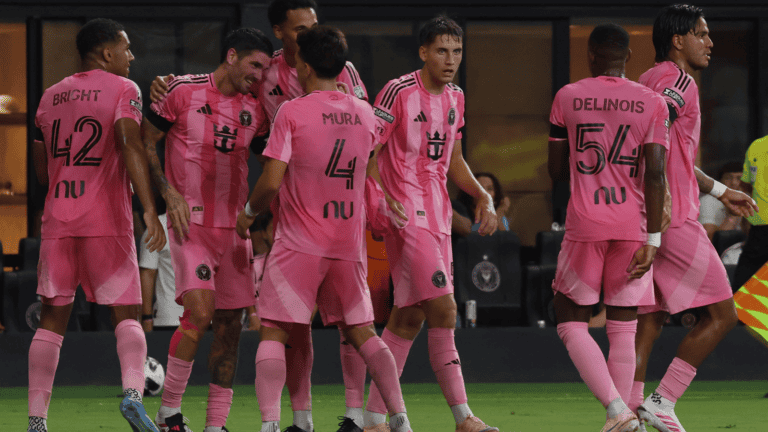
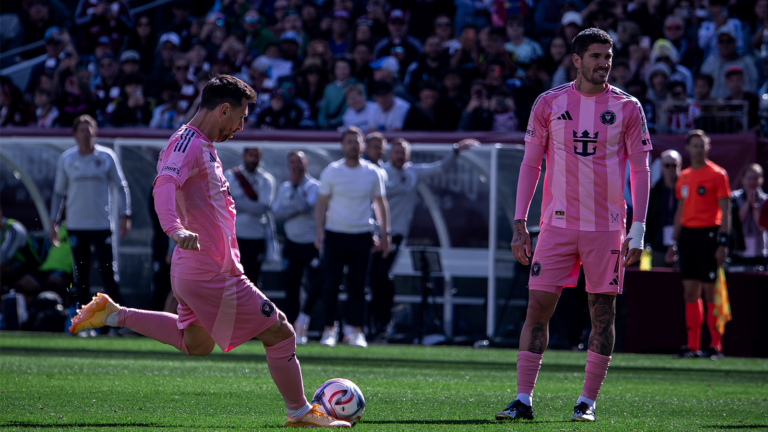
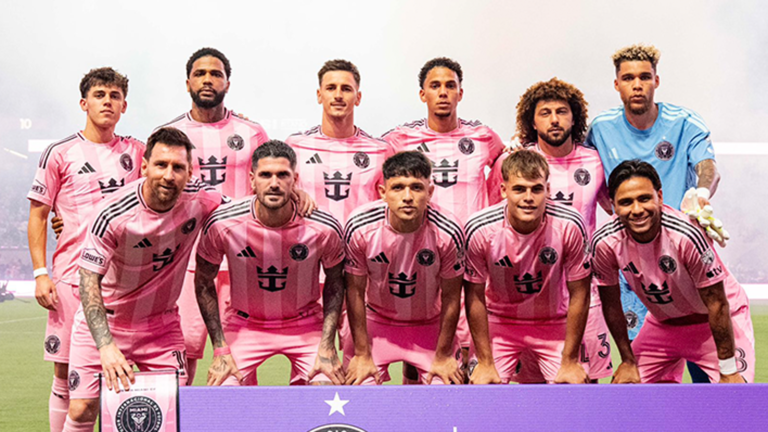
Miami needs a good defense so that the attack isn’t busy with doing both.
Instead of strikers and midfielders Miami needs to bring players that provide a good solid defense.