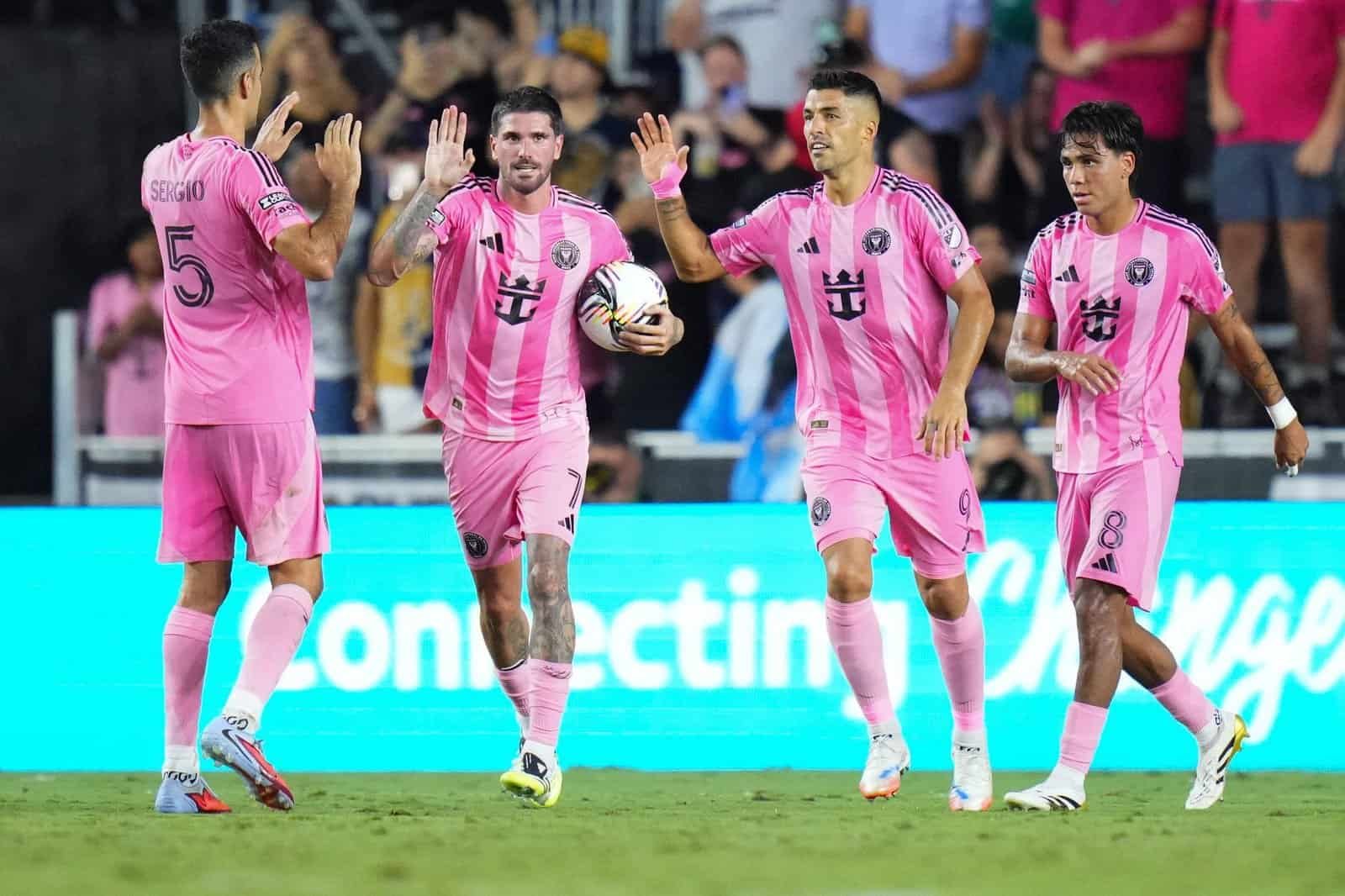
Photo via MLS on X
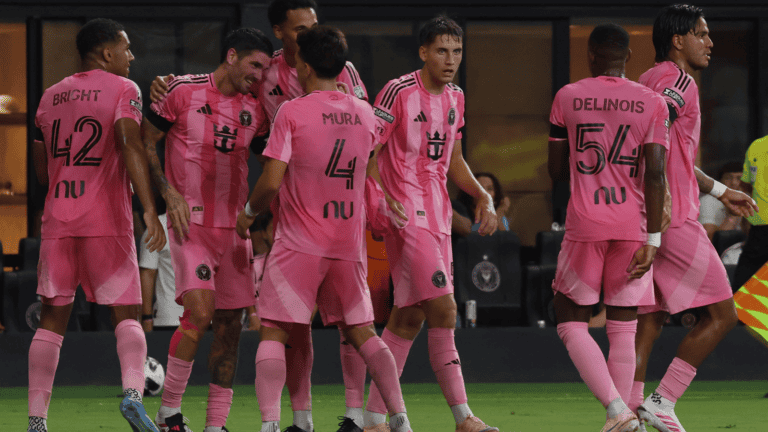
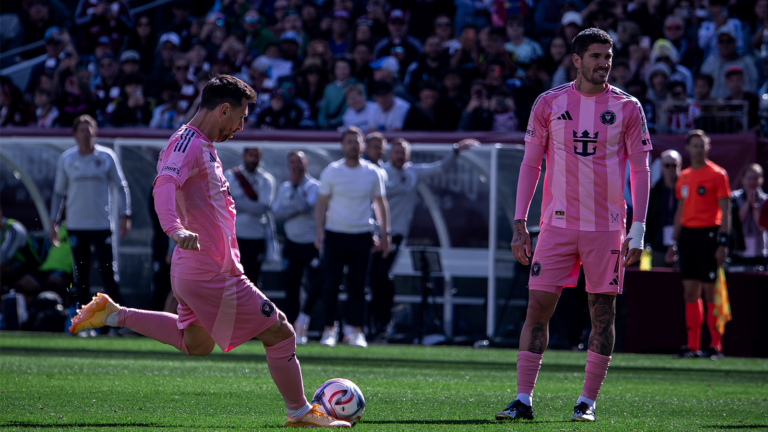
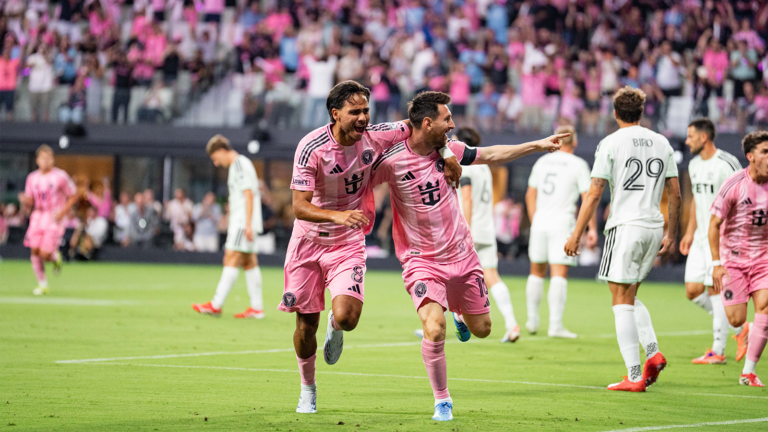
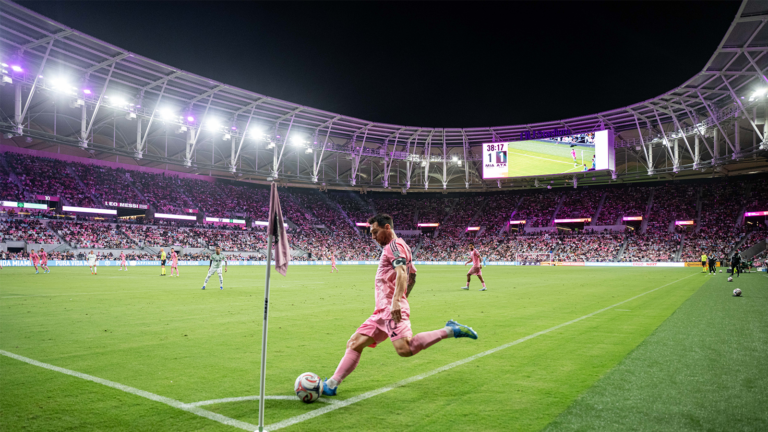
Inter Miami delivered one of their most dramatic performances of the season, edging Tigres 2–1 in a chaotic Leagues Cup quarterfinal defined by controversy, injuries, and late drama. Without Lionel Messi in the squad, and after losing head coach Javier Mascherano to a red card during the second half, Miami leaned on Luis Suárez’s composure from the penalty spot to secure their place in the semifinals.
The victory sends the Herons into a high-stakes Florida Derby against Orlando City, but the path there required resilience, discipline, and a touch of fortune in the closing moments.
Messi’s Absence, Miami March On
Messi’s absence immediately shaped the narrative of the night. Since arriving in July 2023, the Argentine has transformed Miami’s identity, but this performance added to the growing sample size of matches the club has navigated without him. In 33 matches without Messi, Miami have recorded 17 wins, 6 draws, and 10 defeats — a respectable but inconsistent return.
Mascherano adjusted by reinforcing midfield structure, asking Rodrigo De Paul and Sergio Busquets to control tempo while allowing Suárez to remain central as the primary attacking outlet. The question before kickoff was not just whether Miami could survive without Messi, but whether they could impose themselves against one of Liga MX’s most disciplined sides.
First-Half Drama: Suárez Steps Up, Tempers Flare
Miami struck first in the 22nd minute when Suárez converted calmly from the penalty spot after sustained pressure inside the Tigres box. The goal rewarded an energetic opening spell in which Miami pressed higher than expected, attempting to disrupt Tigres’ buildup play.
However, the lead did not settle the contest. Tigres began to find rhythm through midfield combinations, forcing Miami’s backline to defend deeper. Rodrigo De Paul and Fernando Gorriarán exchanged heated words before halftime, underscoring the growing tension. Injury concerns for both De Paul and Jordi Alba added anxiety to a first half that felt balanced on a knife’s edge.
Miami entered the break leading 1–0, but momentum remained fragile.
Second-Half Chaos: Mascherano Sent Off, Alba Injured
The match shifted dramatically after halftime. Mascherano received a red card for protesting the amount of added time, leaving Miami without their head coach on the touchline. Forced to watch from the stands, he attempted to relay instructions remotely — a moment that quickly circulated online and captured the surreal tone of the evening.
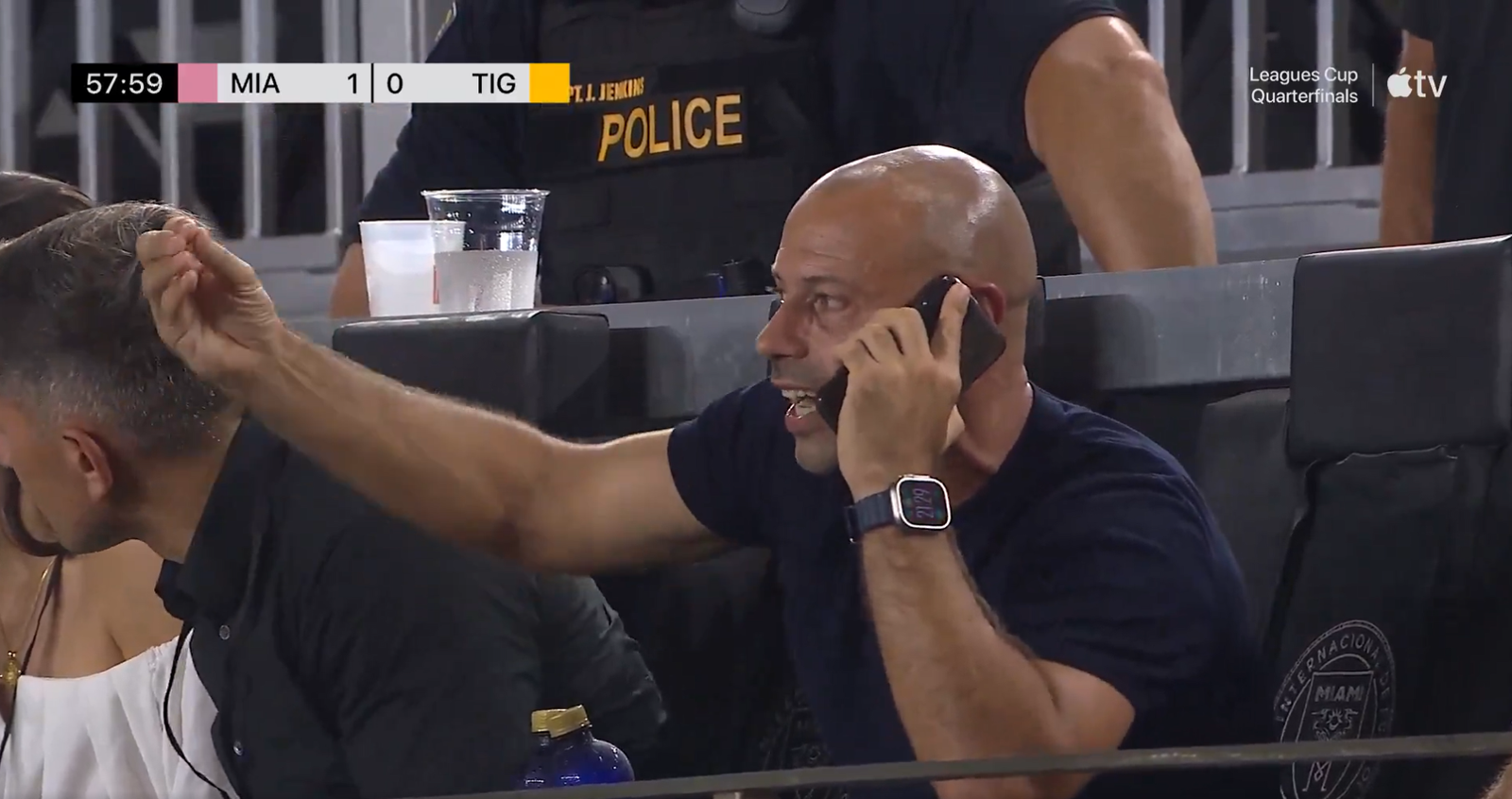
Compounding the disruption, Jordi Alba exited with an apparent injury, stretching Miami’s defensive depth even further. Sensing momentum shift in their favor, the visitors pushed higher up the pitch, committing more numbers into attack and stretching Miami’s defensive shape. The pressure forced goalkeeper Oscar Ustari into several important saves as the Herons struggled to regain control.
Tigres Strike Back, Suárez Rescues Miami Again
The breakthrough arrived in the 67th minute when a defensive lapse inside the box allowed Ángel Correa to equalize. From that point forward, the tempo accelerated, with both sides trading transitions in a tense, open phase of play.
Yet Suárez once again provided clarity amid chaos. In the 89th minute, Rodrigo De Paul drew a foul inside the penalty area after a direct run at the Tigres defense. Suárez stepped forward and converted his second penalty of the night with trademark composure, sending the goalkeeper the wrong way and restoring Miami’s advantage.
Even then, the drama refused to subside. A late Tigres header struck both posts and rolled agonizingly across the goal line before staying out. Miami survived the final minutes through sheer defensive resolve.
Tactical Takeaways: Structure Over Flair
Without Messi’s creative gravity, Miami relied on structural discipline rather than improvisation. Busquets operated deeper to shield the defense, while De Paul shouldered responsibility in transitional phases. Suárez, though limited in open play, demonstrated once again why elite forwards remain decisive in knockout football — efficiency over volume.
Defensively, Miami absorbed pressure but at times allowed Tigres too much space between lines. The match highlighted both resilience and vulnerability: the team can compete without Messi, but fine margins and defensive concentration remain critical concerns heading into the semifinal.
What’s Next: Florida Derby in the Semifinals
Inter Miami now prepare to host Orlando City in a Leagues Cup semifinal that promises intensity and narrative weight. The matchup carries added significance given recent tensions between the two sides and Miami’s uneven run of form in league play.
Questions remain over Alba’s fitness and whether Messi will return in time, but this performance reinforces one truth: even without their talisman and amid adversity, Miami possess the experience and mentality to grind out results.
For a team that often operates on emotional extremes, this victory may prove as important psychologically as it was competitively.